How To Keep Perishables Fresh When Off-Grid
Living off the grid presents unique challenges when it comes to food preservation, particularly when refrigeration is not readily available. Since traditional electricity-powered refrigerators and freezers are often impractical in off-grid settings, alternative solutions are essential to maintain freshness and reduce food waste. 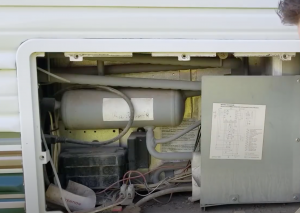 One primary approach to off-grid refrigeration is utilizing solar-powered or wind-powered energy systems to run small, energy-efficient fridges or freezers. Solar refrigerators, for instance, can operate using solar panels and a battery storage system, offering a renewable, eco-friendly way to keep perishables cool without relying on a grid connection. These units are typically smaller than conventional models but are designed for energy efficiency, using less power while still offering some semblance of the cooling power needed to preserve meat, dairy, fruits, and vegetables.
Powered Solutions Vs Insulated Cooler Boxes
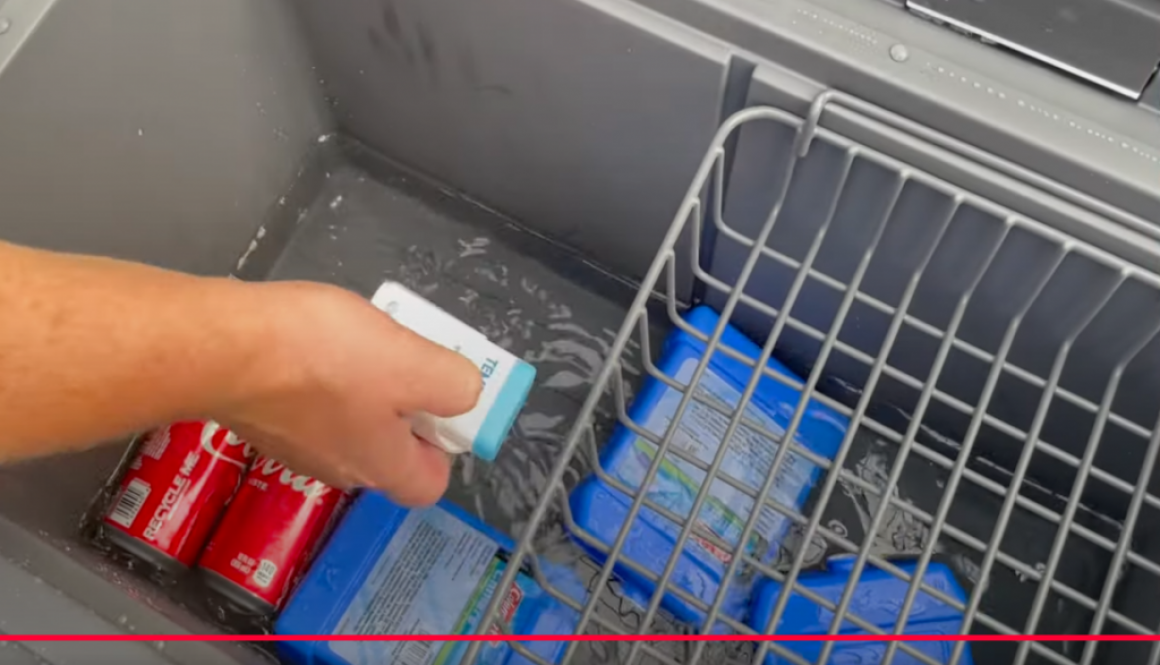
 However, solar and wind-powered refrigerators may not always be enough or cost-effective for every off-grid setup. In these cases, high-end coolers and ice packs play a vital role in food preservation. Premium coolers, such as those made by Yeti, Pelican, or Engel, are designed to be extremely durable and well-insulated, capable of retaining ice and maintaining cold temperatures for extended periods. These coolers can keep food fresh for several days, which is particularly useful during warmer months or in more remote locations where access to fresh ice might be limited.
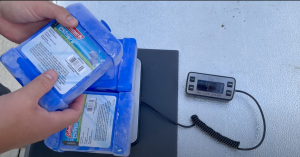 For even more effective cooling, many off-grid dwellers use dry ice or gel ice packs inside the coolers. Dry ice, in particular, can maintain sub-zero temperatures and last for a longer time than regular ice, although it requires careful handling due to its potential to cause frostbite or asphyxiation if used in poorly ventilated areas. When using one of the best ice packs for coolers, on the other hand, are reusable and provide a less intense but longer-lasting cooling effect, making them ideal for short-term trips.
Transporting Perishables
When it comes to transporting food for longer distances, such as traveling into town to stock up, the challenge is to keep perishable items fresh for the duration of the trip. If you live far from grocery stores or towns, you may need to use a combination of insulated bags, coolers, and ice packs to ensure food stays cold and safe to consume. A well-packed cooler with plenty of ice or frozen gel packs can keep meats, dairy products, and fresh produce cold for several hours or even a full day, depending on the cooler’s insulation and the outside temperature. To maximize cooling efficiency during transport, packing the cooler as full as possible is key—less air space inside the cooler means less thermal exchange, helping to preserve the cold temperature longer.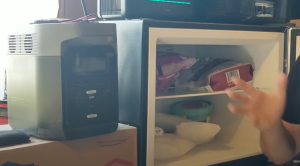
For those who frequently need to travel into town to stock up, a larger, more durable cooler is often worth the investment. Heavy-duty coolers with robust latches and reinforced handles are ideal for long-haul trips. Some off-gridders even use coolers that are designed to fit into vehicle trunks or trailers, ensuring that the food remains cold throughout the journey. Additionally, it’s helpful to pre-plan food stock-ups by purchasing large quantities of perishable goods in one trip to reduce the need for frequent travel, thus conserving energy and resources.
What About Non-Perishables?
Lastly, off-grid living often encourages the use of more non-perishable foods, such as canned goods, dehydrated meals, grains, and legumes, which do not require refrigeration and can be stored for extended periods. These items can supplement fresh produce and animal products, reducing reliance on refrigeration and increasing food security during long stretches without resupply. By combining refrigeration methods, coolers, careful food planning, and efficient transportation practices, off-grid dwellers can keep their food fresh and reduce waste while maintaining a self-sufficient lifestyle

 By repairing rather than replacing elements like windows, doors, and architectural details, homeowners can maintain the home’s original character and craftsmanship, which often carries a higher historical and financial value. Additionally, restoring existing features, such as the woodwork, trim, or stone foundations, can be more cost-effective than searching for exact replacements, particularly when considering the quality and durability of materials from earlier periods. In the long run, preserving the original elements of a farmhouse not only enhances its charm but also ensures its authenticity, making it more attractive to potential buyers or future generations who value the craftsmanship and history embedded in the home.


 There is no denying it. Bugs are all around us. For a gardener, not all of them are bad, but many of them are. There are some bugs that may linger around the garden, simply to eat the bugs that are bad for plants. They are a farmer’s best friend. Chemicals and pesticides would get rid of each type, and most farmers don’t want that. The worst bugs for a garden include aphids, corn earworms, tomato hornworms, vine borers, cucumber beetles, and many others. They use your plant as food, often killing it or eating the fruit that it may produce. Then, you must also think about the moisture content of your garden, and the unsavory creatures that are going to be drawn to it. This includes mosquitoes and no-see-ums. Even if they do not directly affect the crops, you may still want them gone in order to avoid being uncomfortable while you pull weeds or collect the fruit of your labor.

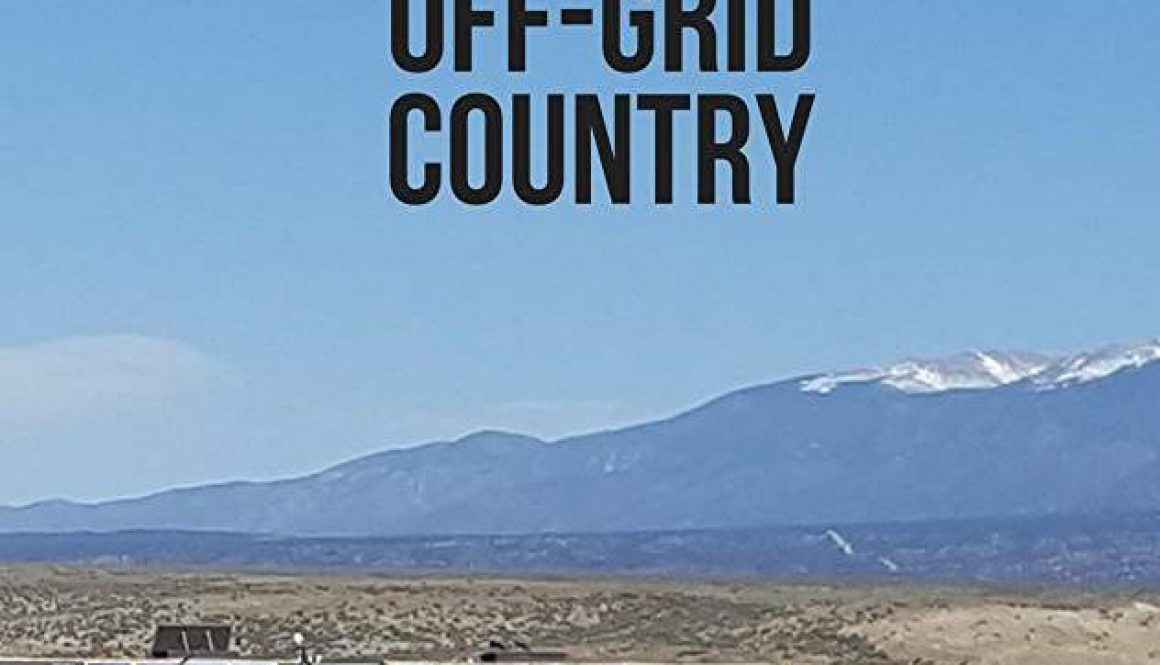
 When living off the grid, you ditch the traditional way of life. You may grow your own food. You may embrace hunting and fishing. You may harvest rain water for flushing your toilet or watering your garden. There are many options available. It simply depends on how far off the grid you want to be. Most people live off the grid without sacrificing television, smart phones, laptops, or other technology. This is made possible by the power generators that they set up wherever they go.
 If you want the most efficient type of natural power, then many say that