The post How To Keep Perishables Fresh When Off-Grid appeared first on Blue Yurt Farms.
]]>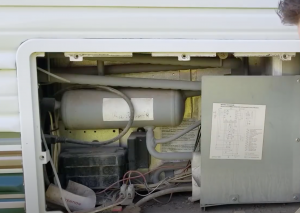 One primary approach to off-grid refrigeration is utilizing solar-powered or wind-powered energy systems to run small, energy-efficient fridges or freezers. Solar refrigerators, for instance, can operate using solar panels and a battery storage system, offering a renewable, eco-friendly way to keep perishables cool without relying on a grid connection. These units are typically smaller than conventional models but are designed for energy efficiency, using less power while still offering some semblance of the cooling power needed to preserve meat, dairy, fruits, and vegetables.
Powered Solutions Vs Insulated Cooler Boxes
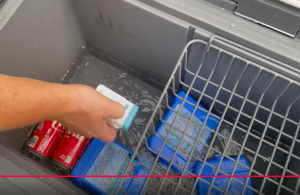 However, solar and wind-powered refrigerators may not always be enough or cost-effective for every off-grid setup. In these cases, high-end coolers and ice packs play a vital role in food preservation. Premium coolers, such as those made by Yeti, Pelican, or Engel, are designed to be extremely durable and well-insulated, capable of retaining ice and maintaining cold temperatures for extended periods. These coolers can keep food fresh for several days, which is particularly useful during warmer months or in more remote locations where access to fresh ice might be limited.
 For even more effective cooling, many off-grid dwellers use dry ice or gel ice packs inside the coolers. Dry ice, in particular, can maintain sub-zero temperatures and last for a longer time than regular ice, although it requires careful handling due to its potential to cause frostbite or asphyxiation if used in poorly ventilated areas. When using one of the best ice packs for coolers, on the other hand, are reusable and provide a less intense but longer-lasting cooling effect, making them ideal for short-term trips.
Transporting Perishables
When it comes to transporting food for longer distances, such as traveling into town to stock up, the challenge is to keep perishable items fresh for the duration of the trip. If you live far from grocery stores or towns, you may need to use a combination of insulated bags, coolers, and ice packs to ensure food stays cold and safe to consume. A well-packed cooler with plenty of ice or frozen gel packs can keep meats, dairy products, and fresh produce cold for several hours or even a full day, depending on the cooler’s insulation and the outside temperature. To maximize cooling efficiency during transport, packing the cooler as full as possible is key—less air space inside the cooler means less thermal exchange, helping to preserve the cold temperature longer.
For those who frequently need to travel into town to stock up, a larger, more durable cooler is often worth the investment. Heavy-duty coolers with robust latches and reinforced handles are ideal for long-haul trips. Some off-gridders even use coolers that are designed to fit into vehicle trunks or trailers, ensuring that the food remains cold throughout the journey. Additionally, it’s helpful to pre-plan food stock-ups by purchasing large quantities of perishable goods in one trip to reduce the need for frequent travel, thus conserving energy and resources.
What About Non-Perishables?
Lastly, off-grid living often encourages the use of more non-perishable foods, such as canned goods, dehydrated meals, grains, and legumes, which do not require refrigeration and can be stored for extended periods. These items can supplement fresh produce and animal products, reducing reliance on refrigeration and increasing food security during long stretches without resupply. By combining refrigeration methods, coolers, careful food planning, and efficient transportation practices, off-grid dwellers can keep their food fresh and reduce waste while maintaining a self-sufficient lifestyle
The post How To Keep Perishables Fresh When Off-Grid appeared first on Blue Yurt Farms.
]]>The post Maintaining & Renovating Homestead Farmhouses appeared first on Blue Yurt Farms.
]]>Repair Vs Replace
 By repairing rather than replacing elements like windows, doors, and architectural details, homeowners can maintain the home’s original character and craftsmanship, which often carries a higher historical and financial value. Additionally, restoring existing features, such as the woodwork, trim, or stone foundations, can be more cost-effective than searching for exact replacements, particularly when considering the quality and durability of materials from earlier periods. In the long run, preserving the original elements of a farmhouse not only enhances its charm but also ensures its authenticity, making it more attractive to potential buyers or future generations who value the craftsmanship and history embedded in the home.

Renovating a farmhouse comes with its unique set of challenges, especially when dealing with the aging infrastructure and the specific architectural elements typical of these historic homes. Here are some of the most challenging areas to repair:
1. Foundations and Structural Integrity
Farmhouses, particularly older ones, often have foundations that have settled over time or may have experienced shifts due to moisture, soil movement, or aging. This can lead to uneven floors, cracked walls, or even leaning structures. Repairing foundations requires specialized knowledge to assess the extent of damage and to ensure the building is stable. In some cases, lifting or re-leveling the entire structure might be necessary, which can be a costly and time-consuming process.
2. Roof and Roof Structure
The roof is another challenging area, as older farmhouses often have steep pitches, multiple sections, and complex dormers or skylights that are difficult to repair or replace. Older roofing materials like slate or cedar shingles may also be harder to source and more expensive to replace. Additionally, problems like leaks or poor insulation can go unnoticed until significant damage occurs. Restoring a roof to its original state while addressing modern needs for insulation and energy efficiency requires a delicate balance between maintaining authenticity and incorporating modern upgrades.
3. Windows and Doors
Windows in historic farmhouses are often made of wood with intricate detailing, which can be difficult and costly to repair compared to replacing them with modern, energy-efficient alternatives. Wooden window frames and sashes may have rotted, warped, or cracked over the years. Restoring these features involves careful craftsmanship to ensure the windows open and close properly while also addressing energy efficiency concerns, often requiring solutions like Spring Bronze weatherstripping. Sourcing or replicating period-appropriate hardware can also be time-consuming and challenging.
4. Electrical and Plumbing Systems
Upgrading the electrical and plumbing systems in a historic farmhouse can be a delicate balancing act. The original systems may be outdated, with insufficient wiring, old-fashioned plumbing, or even unsafe installations that don’t meet current codes. Replacing these systems can require major reworking of walls and ceilings, particularly if the farmhouse has plaster walls, which can be more fragile to handle than drywall. In some cases, the original layout may not easily accommodate modern standards, requiring creative solutions to preserve the home’s aesthetic while ensuring safety and functionality.
5. Flooring and Subflooring
Farmhouses often have original hardwood floors that are beautiful but may be worn, uneven, or damaged over time. Repairing and refinishing old hardwood floors can be an intricate process, especially when trying to match the original finish or restore the natural character of the wood. Additionally, the subflooring in older homes may have experienced damage due to moisture or pests, making it necessary to replace or reinforce sections while maintaining the integrity of the original flooring.
6. Exterior and Siding
The siding of a farmhouse, whether it’s wood clapboard, brick, or stone, can be prone to wear from the elements. Wood siding may have rotted in places, while brick or stone may need repointing to ensure it remains structurally sound. In rural areas, farmhouses may also experience exposure to more extreme weather conditions, leading to accelerated wear. Sourcing materials that match the original siding or replicating old patterns of craftsmanship can make exterior repairs more difficult and time-intensive.
7. Insulation and Drafts
Many historic farmhouses were not originally built with modern insulation standards, leaving them prone to drafts and temperature fluctuations. Insulating old walls, attics, and crawl spaces without disrupting the original design is often one of the most challenging aspects of renovating a farmhouse. Solutions like spray foam insulation or blown-in cellulose can help improve energy efficiency, but care must be taken not to damage the home’s structural elements, such as timber framing or original finishes.
8. Basements and Crawl Spaces
Older farmhouses often have basements or crawl spaces that were not constructed with modern water management in mind. Issues like poor drainage, moisture buildup, or even pest infestations can create significant challenges when repairing these areas. Moisture control systems, proper ventilation, and sometimes structural reinforcement are needed to prevent further damage. In addition, these spaces can often be cramped and difficult to work in, adding complexity to any repairs or upgrades.
9. Chimneys and Fireplaces
Chimneys and fireplaces in historic farmhouses, especially those made of brick or stone, can be prone to wear over time due to exposure to the elements, water damage, or the natural degradation of the materials. Repairing or restoring a chimney is a detailed process that may involve rebuilding parts of it, ensuring proper flue function, or addressing cracks and leaks in the masonry. Ensuring that the fireplace functions safely and efficiently while preserving its historical design can be a delicate and challenging task.
10. Interior Walls and Plaster Work
Interior walls in older farmhouses are often made of plaster, which can crack, chip, or deteriorate over time. Repairing plaster is a time-consuming and skillful process that involves patching holes, smoothing out uneven surfaces, and sometimes completely re-plastering sections of the wall. In some cases, it may be more cost-effective to replace plaster with drywall, but this decision can affect the overall character and historical value of the home.
Farmhouse Windows Are Hard To Replace
When renovating a farmhouse, particularly one with historic windows, preserving both the aesthetic and functionality of the original features is key. One of the most effective ways to improve energy efficiency while maintaining the charm of period windows is through the use of Spring Bronze weatherstripping. This material, favored for its durability and traditional appearance, is a perfect solution for refurbishing historic windows. Spring Bronze weatherstripping consists of a thin, flexible metal strip that is attached to the window frame. It creates a tight seal when the window is closed, preventing drafts and improving insulation without compromising the window’s integrity. Its subtle, bronze finish also blends seamlessly with older window styles, enhancing both performance and visual appeal. By incorporating Spring Bronze weatherstripping during your renovation, you can reduce heating and cooling costs while preserving the historic character of your farmhouse for years to come.
The post Maintaining & Renovating Homestead Farmhouses appeared first on Blue Yurt Farms.
]]>The post Hunting On The Homestead appeared first on Blue Yurt Farms.
]]>2. Setting Up Waterfowl Decoys: Decoys are a powerful tool for bringing waterfowl into your range, as they simulate the presence of ducks or geese, making it appear like a safe spot for feeding or resting. When setting up mallard field decoys, it’s important to mimic the natural behavior and formations of waterfowl to make the spread as realistic as possible. Here’s how you can go about it:
- Choose the Right Decoys: Invest in high-quality decoys that accurately resemble the species of waterfowl you’re targeting, whether it’s ducks or geese. For ducks, species-specific decoys like mallards, wood ducks, or teal are common. For geese, silhouettes or full-body decoys work well, especially for larger species like Canada geese. Consider having both males and females represented in your spread for added realism.
- Positioning the Decoys: The placement of your decoys should mimic how ducks and geese naturally behave. Typically, you’ll want to create a “V” or “U” shape with the decoys, which simulates a safe zone where waterfowl can gather. Place the decoys about 10-20 feet apart, and make sure the decoys are facing into the wind (as birds prefer to land into the wind). Leave an open space or “landing zone” in the center of the spread where the birds will feel comfortable landing. For divers, such as scaup or ring-necks, place the decoys further apart to resemble natural feeding flocks. For puddle ducks (mallards, pintails, etc.), position decoys more tightly together to simulate a group resting or feeding.
- Using Motion Decoys: Consider adding motion decoys like spinning-wing or jerk rigs to enhance your spread. These decoys create ripples or movement on the water, which can attract more birds. Spinning-wing decoys (especially mallard or teal models) work particularly well for ducks, while jerk rigs (which use a string to create movement in the decoys) can be effective for both ducks and geese.
- Concealing Yourself: Once your decoys are set up, make sure you’re well hidden. Waterfowl are incredibly sensitive to movement, so use natural cover like reeds, cattails, or camouflaged blinds to stay out of sight. For extra concealment, you can use a layout blind or a boat blind if hunting from a boat. In some cases, wearing camouflaged clothing and face paint may help you blend in with your surroundings.

3.Timing and Patience: Waterfowl hunting requires a lot of patience, especially when using decoys. Early mornings and late afternoons are prime times when ducks and geese are most active, either foraging for food or migrating. Set up well before sunrise, and remain as still as possible during the hunt to avoid scaring off the birds. Calling, such as using duck calls or goose calls, can also attract birds, but it should be done sparingly and at the right times to avoid overcalling, which can cause the birds to become wary.
4. Safety and Regulations: Be sure to familiarize yourself with local hunting regulations, including licensing, hunting seasons, bag limits, and specific rules for waterfowl hunting in your area. Always practice gun safety, especially if hunting near water where visibility may be limited. Waterfowl hunting can involve long waits in cold, wet conditions, so be prepared for the elements with waterproof gear, insulated clothing, and a reliable hunting setup.
5. Ethical Considerations: Lastly, always practice ethical hunting by respecting wildlife populations and following the “fair chase” principles. This means ensuring that you are only hunting within the legal framework and that you make clean, humane shots to avoid unnecessary suffering. It’s also important to clean up after yourself, leaving the area as undisturbed as possible for future wildlife and hunters.
By setting up waterfowl decoys effectively and being mindful of your hunting environment, you can enjoy a rewarding and sustainable hunting experience on your homestead. Whether you’re hunting for food or managing populations, understanding the behavior of waterfowl and how to simulate their natural movements with decoys will greatly improve your chances of a successful hunt.
The post Hunting On The Homestead appeared first on Blue Yurt Farms.
]]>The post Natural Pest Control for Small Farms appeared first on Blue Yurt Farms.
]]>Damage Bugs Cause
 There is no denying it. Bugs are all around us. For a gardener, not all of them are bad, but many of them are. There are some bugs that may linger around the garden, simply to eat the bugs that are bad for plants. They are a farmer’s best friend. Chemicals and pesticides would get rid of each type, and most farmers don’t want that. The worst bugs for a garden include aphids, corn earworms, tomato hornworms, vine borers, cucumber beetles, and many others. They use your plant as food, often killing it or eating the fruit that it may produce. Then, you must also think about the moisture content of your garden, and the unsavory creatures that are going to be drawn to it. This includes mosquitoes and no-see-ums. Even if they do not directly affect the crops, you may still want them gone in order to avoid being uncomfortable while you pull weeds or collect the fruit of your labor.
Naturally Keep Bad Pests Away

Naturally Deter Insects
If aphids are attacking your garden, you can use a dish soap and water solution. Simply spray it on your plants and aphids will move out immediately. If you have a garden that is filled with ants, you can sprinkle cayenne pepper on the ground. Watering will wash it away so you may want to invest in a fair amount, but it will be worth it. It also keeps cats out of the garden where they may go in search of a litter box. A good all-round natural pesticide is diatomaceous earth. Epsom salt sprinkled around plants will run off insects and help the plant’s roots to become healthier.
If you are searching for plants that can help you, you can choose marigolds, chrysanthemums, lavender, mint, basil, and more. Citronella grass is also useful for keeping mosquitoes out and will naturally reduce noseeums. This means it will benefit you as well as your garden.
Watch Your Garden Grow Healthy

Citronella
Part of the enjoyment of growing a garden is being able to watch it flourish and provide you with fruit and vegetables. Your enjoyment should not be diminished because of a bug infestation, whether it is insects that bother you or kill your plants. By knowing tricks that you can use to naturally eliminate them, you can avoid the issue of, “to spray or not to spray” and simply enjoy knowing you are providing a healthy place for your garden to grow. Naturally.
The post Natural Pest Control for Small Farms appeared first on Blue Yurt Farms.
]]>The post Off-Grid Power Generator Solutions appeared first on Blue Yurt Farms.
]]>
In today’s world, there are many people choosing to live “off the grid”. They build homes in the middle of nowhere. They travel from place to place in tiny homes. They are unconnected to traditional power lines and happier than ever with their choices to be free. Since they live off the grid, you may think that they have to give up the things we love the most about our modern lives. This is not true. There are many off-grid power generator solutions that can power heat and air units, refrigerators, and more.
An Off-Grid Lifestyle
 When living off the grid, you ditch the traditional way of life. You may grow your own food. You may embrace hunting and fishing. You may harvest rain water for flushing your toilet or watering your garden. There are many options available. It simply depends on how far off the grid you want to be. Most people live off the grid without sacrificing television, smart phones, laptops, or other technology. This is made possible by the power generators that they set up wherever they go.
Powering and Off-Grid Life
The people who embrace living off the traditional power grid have discovered ways to have it all. They ditch expensive power bills by choosing other power solutions. The main three options include:
Wind Power:
This type of power uses a wind to provide power. As the wind blows it spins a propeller blade. These blades capture kinetic energy and send it to a generator inside the rotating housing behind the blades. From this, it generates electricity.

Generator Power:
Generators are used both on the grid and off. Even your power company will use a generator. There are portable generators available to people who want to live off the grid. A quiet generator can power homes in all locations using natural gas, solar power, gasoline, and diesel. Some are designed to work off more than one type of fuel, depending on availability in your area.
Solar Power:
Solar power is the use of our sun to provide power using photovoltaic solar panels. They are often installed on the roof of an off the grid home. On sunny days, your solar panels will harness the sun’s power in a battery, where it will be stored until it is necessary.
Pros and Cons
 If you want the most efficient type of natural power, then many say that solar is your best option. There are fewer moving parts in solar panels than there are in wind power generators. However, if you look at the numbers, at most 20% of the sun’s energy can be converted and about 60% of the wind can be converted into power. Therefore, it has been proven that wind power is available 24/7 and one wind turbine can provide as much as a thousand solar panels. Wind does provide the most power output, but wind turbines require a lot of space. They are also not easily moved from one place to another. A generator can provide ample power for most homes, even larger ones. You only need the fuel to power them.
The cost of solar or wind power is dropping, but so far solar is cheaper to run if you want to use a renewable energy source. It still requires quite an investment to get solar power setup. You could pay up to $29,000 depending on the size of your home. Most generators can be purchased for a few hundred dollars.
When trying to decide which is best for your off the grid lifestyle, you will have to make sure you do your research. What can you afford, how much power do you need, and how permanent do you want it to be? These are all important questions for you to consider before you decide.
The post Off-Grid Power Generator Solutions appeared first on Blue Yurt Farms.
]]>The post How Does Medical Marijuana Treat Irritable Bowel Syndrome? appeared first on Blue Yurt Farms.
]]>
What Causes IBS?
One of the reasons that medical marijuana seems to be having such a profound effect has to do with the underlying reason that you get the condition in the first place. A theory posted in 2008 by Dr. Ethan Russo suggested that the syndrome was related to a deficiency in the body’s endocannabinoids. These are naturally occurring in the body and help regulate all kinds of systems, from digestion to sleep to your overall mood.
Although more research needs to be conducted to find conclusive evidence of this theory, it would make perfect sense why cannabis seems to be such an effective treatment of IBS, since it can help increase the amount of endocannabinoids in the system.
Peripheral Side Effects
While indigestion, cramps, and constipation are common physiological effects of IBS, the fact is that it can create other symptoms that are more psychosomatic, such as depression. It’s quite common for IBS sufferers to have panic attacks or anxiety related to the condition as they become nervous about their next encounter.
As such, treatments like medical marijuana and Whoopi and Maya bath salts have been shown to alleviate these symptoms as well as the physical side effects of IBS, making the treatment even more alluring.
If you are interested in seeing what cannabis can do for your condition, then you can search online for companies that will deliver your prescription to you. Not only is it more convenient, but it also allows you to shop around and find the strain that works best.
Don’t continue to suffer from IBS. Talk to your doctor and see if medical marijuana is right for you so you can start feeling better.
The post How Does Medical Marijuana Treat Irritable Bowel Syndrome? appeared first on Blue Yurt Farms.
]]>The post Self Sufficiency Test appeared first on Blue Yurt Farms.
]]>What I’m trying to say is this homesteading thing is such a series of baby steps. Were so much farther along than we were two and half years ago, and thats something to be celebrated. Even more so since we were tested on our resourcefulness this past week by being snowbound for five days.
The post Self Sufficiency Test appeared first on Blue Yurt Farms.
]]>The post 5 Great Uses For Lemons appeared first on Blue Yurt Farms.
]]>When life gives you lemons, you can definitely make more than just a lemonade for the children.
This wonderful fruit and its citric juices has lots of other great uses, whether it is giving your refrigerator a refreshing feel and smell or used to remove those tough coffee stains, lemons are great and below are five great uses for the:
-
Neutralize odours
It’s nice to know that you don’t necessarily need to spray aerosols and perfumes to try to neutralize foul-smelling dog-litter box odours or in an attempt to freshen up your bathroom. Simply slice up some lemons into halves.
Place them into a dish in the room of your choice, with the cut side facing up. Then, the magic happens. Your room’s air will soon smell lemony fresh!
-
Freshen up the Fridge
Lemons are also great for easily removing odours in your fridge. Simply dab some of the lemon’s juice onto some cotton wool or a sponge, leaving it there for several hours to do it’s work.
Obviously, do a full check of your refrigerator to find the root cause of the smell and throw out anything that may be past its use-by date or anything that looks or smells bad.
-
Keeping your guacamole green
By sprinkling a generous amount of lemon juice from a fresh lemon over your guacamole, you will actually keep the dip green and fresh for longer.
How does this work? Well, the juice of the lemon has a complementary flavour that works well when added to guacamole(avocados). You can also use this trick by making some fruit salads well in advance of eating them.
By squeezing fresh juice onto your slices of apple for example, you will help them stay lovely and white, ready for your guests!
-
Remove those sweat patches!
You can avoid those expensive laundry bills. Lemon juice is great for removing those sweat patch stains left underneath the arms of shirts, blouses and t-shirts.
With an equal mix of lemon juice (or indeed white vinegar) and water, simply scrubbing them will have your garments back to a stainless fresh feel in no time.
-
Prevent rice from sticking
Believe it of not, you can prevent your rice from lumping together into a white solid, by simply adding lemon juice to the rice.
Add in a half table spoon full of lemon juice water when it boils. Then, when your rice is cooked, just let it cool off as you usually would. Finally, just fluff the rice about with a fork, ready to be served.
Some other uses for lemons
Some people throw some cut up lemons into their waste disposal just to keep it fresh and clean. Also, if you are feeling a little unwell or suffer from a bad breath, then gargling lemon juice is one way to help get rid of your cold and keep your breath smelling nice and fresh!
The post 5 Great Uses For Lemons appeared first on Blue Yurt Farms.
]]>The post Can Chickens Recognize Each Other? appeared first on Blue Yurt Farms.
]]>Or better still would you say chickens could recognize you? Besides the good old treats, are they actually happy to see your face in the evening after work?
Well, it just so happens to be the case that not only do chickens recognize you, their owner but chickens also recognize up to one hundred members of their flock! Crazy! I know.
Chickens eyes
Surprisingly, chickens actually do have eyesight similar to that of us humans (technically, they have better eyesight) and could recognize up to one hundred members of their flock, just by sight! It’s believed that they recognize the shape of both the head and comb of their fellow flock mates.
Chickens also accept other chickens although they may be of a different breed. (Though it’s not clear to me which features or characteristics chickens use to spot their familiar human friends, as people features may change from time to time, such as new hairstyles, different clothes or facial hair etc.
Other animals
From personal experience, I know that they also recognize different types of animals as being either on their side or a rival – even down to a specific dog or cat, as their friend or enemy! For example, if your dog comes racing around the corner and on past the chicken run, then your chickens probably won’t even flinch.
But on the odd occasion that one of your neighbor’s or friend’s dog visits your yard, then the chickens suddenly freeze and raise the alarm bells.
Which brings me to my next point, chickens are shockingly able to make around thirty different noises, all with their own unique meaning, which the other flock members will recognize.
Newly hatched little chicks
The newly hatched little chicks do actually recognize their mother hen, by sound and sight.
Research has been done to suggest that when a hen sitting on her eggs was taken away under a dark environment from her own little chicks to be replaced by another broody hen, the little chicks were still able to find their mother, although they couldn’t even see her.
Also, when their mother hen was put in disguise by various ways, the chicks recognized their mother hen and came to her immediately.
Watch them interact with each other
Knowing that chicks and mother hens do all recognize one another from sight, and also that they can differentiate between the different members of their flock, it is fascinating watching their interactions.
Do you have chickens? Watch your own chickens. You might notice that they don’t necessarily choose to hang around with those flock members who appear to be the same breed as them or of the same color.
However, the chickens do tend to pick a buddy during the free range time, which they generally stick with for life. So the next time you are out on your far or in any chicken farm, have a look at how the chickens react and see do you notice and obvious patterns!
The post Can Chickens Recognize Each Other? appeared first on Blue Yurt Farms.
]]>