The post Natural Pest Control for Small Farms appeared first on Blue Yurt Farms.
]]>Damage Bugs Cause
 There is no denying it. Bugs are all around us. For a gardener, not all of them are bad, but many of them are. There are some bugs that may linger around the garden, simply to eat the bugs that are bad for plants. They are a farmer’s best friend. Chemicals and pesticides would get rid of each type, and most farmers don’t want that. The worst bugs for a garden include aphids, corn earworms, tomato hornworms, vine borers, cucumber beetles, and many others. They use your plant as food, often killing it or eating the fruit that it may produce. Then, you must also think about the moisture content of your garden, and the unsavory creatures that are going to be drawn to it. This includes mosquitoes and no-see-ums. Even if they do not directly affect the crops, you may still want them gone in order to avoid being uncomfortable while you pull weeds or collect the fruit of your labor.
Naturally Keep Bad Pests Away

Naturally Deter Insects
If aphids are attacking your garden, you can use a dish soap and water solution. Simply spray it on your plants and aphids will move out immediately. If you have a garden that is filled with ants, you can sprinkle cayenne pepper on the ground. Watering will wash it away so you may want to invest in a fair amount, but it will be worth it. It also keeps cats out of the garden where they may go in search of a litter box. A good all-round natural pesticide is diatomaceous earth. Epsom salt sprinkled around plants will run off insects and help the plant’s roots to become healthier.
If you are searching for plants that can help you, you can choose marigolds, chrysanthemums, lavender, mint, basil, and more. Citronella grass is also useful for keeping mosquitoes out and will naturally reduce noseeums. This means it will benefit you as well as your garden.
Watch Your Garden Grow Healthy

Citronella
Part of the enjoyment of growing a garden is being able to watch it flourish and provide you with fruit and vegetables. Your enjoyment should not be diminished because of a bug infestation, whether it is insects that bother you or kill your plants. By knowing tricks that you can use to naturally eliminate them, you can avoid the issue of, “to spray or not to spray” and simply enjoy knowing you are providing a healthy place for your garden to grow. Naturally.
The post Natural Pest Control for Small Farms appeared first on Blue Yurt Farms.
]]>The post Making Money From…. Manure appeared first on Blue Yurt Farms.
]]>
Farmers and Manure
 No one can deny that manure is useful as a fertilizer. When manures absorbed by soil, nutrients release into the soil. These nutrients can increase the moisture content of sandy soils. It also loosens compacted soil. It adds carbon to the soil so that more nutrients can get into the soil. It is also able to reduce runoff, which can deplete nitrates. Manure is also very slow to release its nutrients. This means you can fertilize less often and avoid worry that your soil will have too much nitrogen. Most often, we think of cow dung for fertilizer, but this is not the only situation where fecal matter can be used.
Odd Uses for Animal Dung
Since B.C. times, people have used dung in some very interesting ways. They have used crocodile dung as a birth control method and to give their face a pasty white appearance. Cow dung was once used for building material in Britain. Llama dung has proven effective as a pollution fighting agent. All you have to do is run contaminated water through it. Llama manure tea is also used in gardens and other areas. It is a popular choice because there are fewer seeds and plant matter in their dung.
In 1862, gunpowder was also made using manure and urine mixed together. It created saltpeter. The saltpeter was then harvested and used to create an explosive combination. Confederate states were even encouraged to collect their urine and do their part to aid in the Civil War.
Creative Minds Using Natural Items
In today’s world, we usually only think of dung as potential manure. However, not all people let their creativity end there. Moose droppings are very common souvenirs in Maine, Colorado, Alaska, and Canada. In some countries, flying squirrel dung may end female reproductive issues. This includes pain and menstrual cramps. Elephant dung is useful in creating paper. One elephant can create about 115 pages a day.
It seems that our fascination with all things poop will never end. In the UK, the Isle of Wight Zoo has erected a museum thats dedicated to fecal matter. The poop you will find there comes in all sizes, shapes, and textures. You will find samples from lions, skunks, and even human infants. To ensure that it is not a stinky place to be, poo is dried for up to a year. This ensures we get the thrill of viewing without the nausea of smelling.
The post Making Money From…. Manure appeared first on Blue Yurt Farms.
]]>The post 3 Of The Best Things About Country Life appeared first on Blue Yurt Farms.
]]>What do you think of when you think about “Living in the country”?
Some people might say “oh it’s a great life”. Some people will still swear by the city life but these people have probably never been in the countryside much or can’t see the positives of a country life.
There are just some things in the country life that the city life can’t provide. I’ve listed just three of these things below, maybe it will entice you over to the country-side!
-
There’s more peace and quiet
If you’re someone who has made the switch from the city life over tot he country life, one of the first things that you will notice is the beautiful quietness the country offers. You won’t hear but the odd car passing by, or the refuse collection truck coming to wake you at 5 am either.
You won’t need to worry about noisy neighbors loudly blaring their music too loud or city traffic outside your bedroom window. The serenity of the country life is often about what can be heard in place of the city noise.
Think of the rain beating off your roof during the night, or the little birds singing early in the morning. Or imagine the cows mooing away on the green pastures. These are the priceless sounds of nature, so peaceful to the countryside.
-
Friendly neighbors
You mightn’t know your neighbors, simply by living in the countryside. Although, country communities do tend to be closely knit. There is a sense that people are more reliant on each other more so than people of the city stock.
Part of this is because shops and amenities might be many miles away so it’s better if people help each other out where possible as the might need the favour returned someday.
You might need a carton of milk or a couple of tea bags for the night. Lending a hand will give you that good karma and builds trust among the country folk.
-
A slower pace of life
Although it may appear at times that farmers and country folk are always working, out on the pastures, cleaning out animal sheds, or driving machinery around the place, country life is often at a slower pace than you would imagine.
But don’t get me wrong, this is by no means saying that the countryside people are lazy or do less work. It simply means that they don’t allow the fast paced, distracting life of the rat race bog them down.
So ask yourself this
Are you tired of the rat race and all of it’s materialistic trappings?
Do you want to feel part of a great community?
Do you want to enjoy life more and be at one with nature?
If you answered yes to any of these questions then a life in the countryside is for you. Make the move!
The post 3 Of The Best Things About Country Life appeared first on Blue Yurt Farms.
]]>The post 4 Great Reasons For Being A Farmer appeared first on Blue Yurt Farms.
]]>Amidst the hustle and bustle of the city slicker’s life and the constant advancements in technology and the digital world, living on a farm is a very special way to live.
You are one with nature, plants, vegetables, animals, fresh air and less distractions than the city life. Choosing the farming life is not for everybody and there are some cons but the pros far outweigh them.
So I have put together four great reason why I love being a farmer, you can read them below:
-
There’s no commute!
You don’t have a journey to get to your work place! None. You can simply stroll out the front or indeed back door and you are in work, as simple as that!
Although the farming life is focused outdoors, some of your paperwork and management can be done from the house so you don’t actually really leave the house for some of your farm work.
This has its disadvantages. But on the contrary, you’ll never have grapple with traffic during peak times, sit in your vehicle endlessly in motorway traffic or stand, wedged onto a tube, pressing up against someone.
-
Bartering
There is a lot more bartering and trading this and that in the farming life than in in your typical town or city. Maybe you want or have a few bales of straw and need to swap something with someone to put food on your table.
Or maybe you agree to offer your tractor or labour in exchange for that new suckler calf that your neighbor has just gotten. Daily deals are done in the farming community more than deals done on Dragons Den!
-
A great lack of the office politics
Most of your meetings will happen at a local pub, small shop or post office. There is no time nor place for business managerial talk. Clock-in machines don’t exist in the farming life, well not really.
You are the boss and need to be disciplined with your own time, unless you work for your father or work for another farmer but you probably still have more freedom and independence.
The beauty of this is that you can take some time off whenever you need to or want to, such as for family events or to watch sporting events. Work to get the job done. Be productive and effective!
-
There’s no dress code
One other great thing about the country farming life is the freedom to wear whatever the hell you like! No pin stripe suits or blue colour shirts. No sweaty jumpers and tight trousers.
All you have to think about is if the weather is fine then dress for it, whereas if it’s going to rain then dress for rain! Farming people don’t care if you’re wearing a Tommy Hilfiger jumper to the fields or a pair of Nike trainers.
So in a nutshell
The farming life gives you more freedom, less time wasting exercises that you would find in an office, a commonly understood method of trading things and no rustling and bustling that will stress you out on your way to work!
The post 4 Great Reasons For Being A Farmer appeared first on Blue Yurt Farms.
]]>The post A Fairy Chicken Egg. What Is It And Why? appeared first on Blue Yurt Farms.
]]>Fairy eggs have a number of different names gathered over the years, also known as a “witch”, “cock” or “wind” egg. All they are is basically an inconsistency in the hen’s laying cycle.
This is pretty common among flocks of chickens in the back yard. Fairy eggs are usually smaller than the regular eggs hatched, and are also much rounder without containing any yolk. Typically, these eggs tend to occur at two points in a hen’s life.
Firstly, quite early in the hen’s life just before any hormones and/or her reproductive cycle have been fully formed and ready for production. Secondly, often very late in the hen’s life as the hormones start winding down, reducing chances of production.
It’s important to note though, that these eggs can also actually be a stress resultant or caused by a disruption in the hen’s routine.
Why do they happen?
They occur when the hen starts to produce an egg, but before the yolk is released from the oviduct of the hen. Therefore, only the white part of the egg (known as albumen) is shelled. Young laying hens are known for having a lot of them!
Even if you have had many hens, many pullets will start laying their regular sized eggs from the beginning, rather than starting out with tiny eggs, gradually working up to bigger ones from there.
But don’t be alarmed!
In any event, some fairy eggs here and there are nothing to be too concerned with. They are merely a blip in your hen’s production, early in their life. One way to look at them, is that they are some kind of “prototype”.
What is interesting is that, some hens just won’t lay miniature versions of eggs, while others will give you a taster by laying a few fairy eggs early on in their “career”, just to test the nest I guess!
Are they edible?
Although they have no yolk, fairy eggs are in fact perfectly fine for humans to eat! But since a lot of the nutrition is actually found in the egg yolk, couple with the fact that the eggs are so tiny anyway, instead of eating them, maybe you can just rinse off your fairy eggs to get rid of any bloom (which acts as an insulator from air).
You can then let them dry until the inside white has dried up and you can notice it rattling inside if you pick it up and give it a little shake. You can then make use of them as lovely decor for the kitchen!
Farming folklore
According to farming folklore, it is believed that to protect them against a cock egg, you should throw the fairy egg over your house’s roof allowing it to hit the ground.
Up to you! But I would simply suggest that you display them as decor in a little basket on your counter top!
The post A Fairy Chicken Egg. What Is It And Why? appeared first on Blue Yurt Farms.
]]>The post Can Chickens Recognize Each Other? appeared first on Blue Yurt Farms.
]]>Or better still would you say chickens could recognize you? Besides the good old treats, are they actually happy to see your face in the evening after work?
Well, it just so happens to be the case that not only do chickens recognize you, their owner but chickens also recognize up to one hundred members of their flock! Crazy! I know.
Chickens eyes
Surprisingly, chickens actually do have eyesight similar to that of us humans (technically, they have better eyesight) and could recognize up to one hundred members of their flock, just by sight! It’s believed that they recognize the shape of both the head and comb of their fellow flock mates.
Chickens also accept other chickens although they may be of a different breed. (Though it’s not clear to me which features or characteristics chickens use to spot their familiar human friends, as people features may change from time to time, such as new hairstyles, different clothes or facial hair etc.
Other animals
From personal experience, I know that they also recognize different types of animals as being either on their side or a rival – even down to a specific dog or cat, as their friend or enemy! For example, if your dog comes racing around the corner and on past the chicken run, then your chickens probably won’t even flinch.
But on the odd occasion that one of your neighbor’s or friend’s dog visits your yard, then the chickens suddenly freeze and raise the alarm bells.
Which brings me to my next point, chickens are shockingly able to make around thirty different noises, all with their own unique meaning, which the other flock members will recognize.
Newly hatched little chicks
The newly hatched little chicks do actually recognize their mother hen, by sound and sight.
Research has been done to suggest that when a hen sitting on her eggs was taken away under a dark environment from her own little chicks to be replaced by another broody hen, the little chicks were still able to find their mother, although they couldn’t even see her.
Also, when their mother hen was put in disguise by various ways, the chicks recognized their mother hen and came to her immediately.
Watch them interact with each other
Knowing that chicks and mother hens do all recognize one another from sight, and also that they can differentiate between the different members of their flock, it is fascinating watching their interactions.
Do you have chickens? Watch your own chickens. You might notice that they don’t necessarily choose to hang around with those flock members who appear to be the same breed as them or of the same color.
However, the chickens do tend to pick a buddy during the free range time, which they generally stick with for life. So the next time you are out on your far or in any chicken farm, have a look at how the chickens react and see do you notice and obvious patterns!
The post Can Chickens Recognize Each Other? appeared first on Blue Yurt Farms.
]]>The post 5 Urban Homesteaders Share Homestead Stories – Part 3 appeared first on Blue Yurt Farms.
]]>My husband, teenaged daughter and I rent a house in a suburb of Los Angeles County, CA. Our homestead lot is 7,086 Square feet, or .16 of an acre. We as a family have always talked about doing more for ourselves and depending less and less on the quick and easy amenities of city living. I have always loved to cook from scratch meals for my family and to garden. I have recently started baking our breads from scratch, which is no easy task as it takes plenty of forethought and preplanning but is so worth the added effort. We have planted a decent sized vegetable and herb garden in raised planter beds, pallets and containers.
We added a small flock of laying hens this past summer. I have been meal planning and learning how to get the most out of our food and what we have. As a primarily single income family of 3, it is vital that we stretch our dollars as far as we can.
We would love to raise a pig and maybe some goats, ducks, turkey and meat chickens but there just isn’t space or proper zoning to allow us to do that where we are. So for now, we enjoy what produce we do gather from the garden, like my head sized crowns of broccoli or the fresh kale, Swiss chard and lettuces. I may not be able to put things up for the fall and winter months but we are able to enjoy plenty of fresh produce during the growing months. We also have fresh eggs from our hens with enough excess to sell a dozen or 2 a week to friends and family.
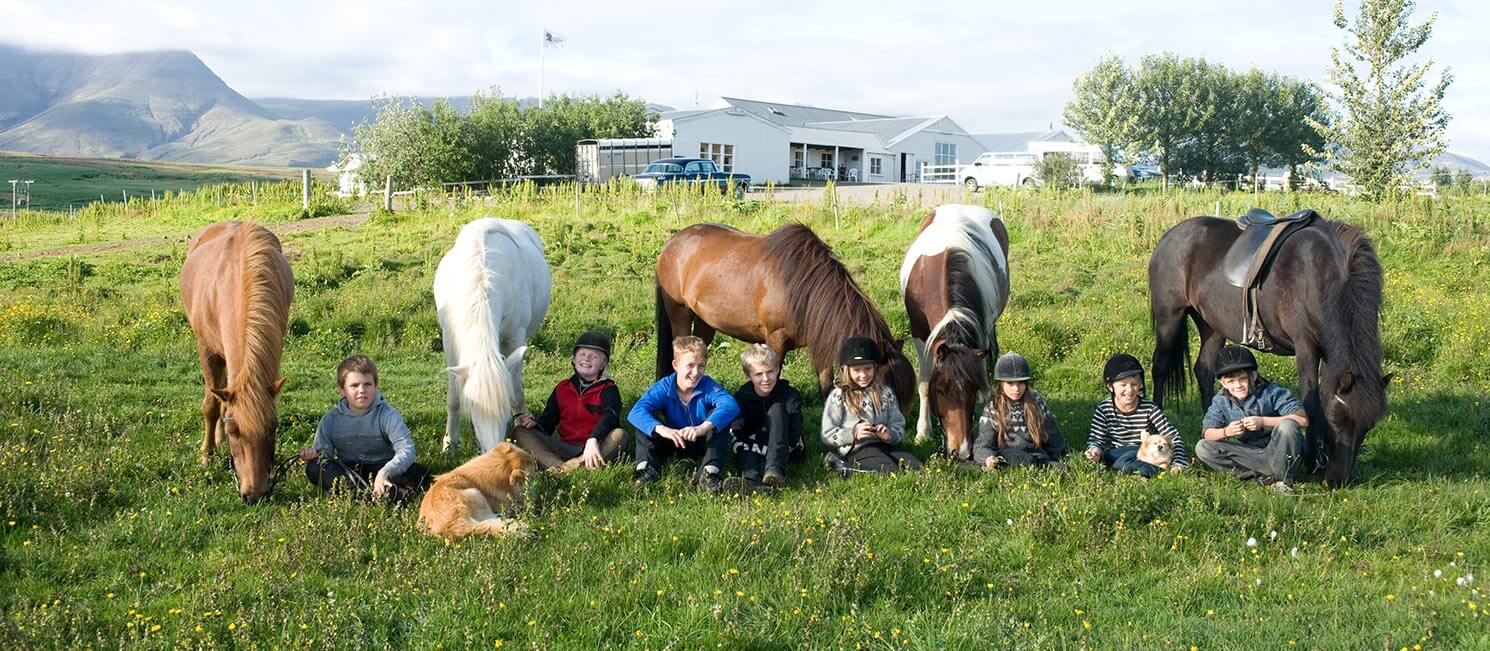
Living in the city on a small lot most certainly limits the amount of homesteading we can accomplish, but it in no way prohibits us from at least enjoying a little here and there. We dream of one day moving out of state and finding a piece of land to call our own where we can fully engulf ourselves in the homesteading life. Until that time comes we look at where we are now as a great opportunity to practice and hone some vital homesteading skills before we finally are able to head out and plant ourselves on some acreage.
By the time we are on land, I will have mastered that elusive sourdough bread, collected enough mason jars to fill a proper root cellar and maybe even brushed up on my sewing skills. I even plan to find some husbandry classes at the local community college to expand my knowledge of the animals we hope to one day raise.
A big thanks to these lovely ladies for sharing their urban homestead experiences. I hope it was inspiring to you! I’m definitely a huge believer in doing what you can with what you have when you have it. Even if you have no acreage at all, you can practice making your own bread from scratch or buy some bulk fruit from a farmer to practice your canning mojo.
Having a lot of land, animals and endless possibilities? It can be downright exhausting…to the point where the fun gets taken RIGHT OUT. Somedays I wish I was back in my cozy urban rental apartment — flipping through homestead books, making butter from cream I bought at Whole Foods and baking hamburger buns from scratch (which impressed our friends to no end). Which is why we’ve cut back a bit around here. Sometimes things look better on paper than they do in reality, and figuring out your happy reality is just part of the life + homestead journey!
The post 5 Urban Homesteaders Share Homestead Stories – Part 3 appeared first on Blue Yurt Farms.
]]>The post 5 Urban Homesteaders Share Homestead Stories – Part 2 appeared first on Blue Yurt Farms.
]]>We purchased our first home in Suburbia almost 3 years ago now. We sit on about ¼ acre. Why the name the Jahner Farmstead? Well, having a homestead is our dream and ideally we would like to live on more acreage and have lots and lots and lots of animals…We love animals. But the point is homesteading isn’t about how much you have. In fact it’s about living sustainably and harmoniously in whatever situation you might find yourself.
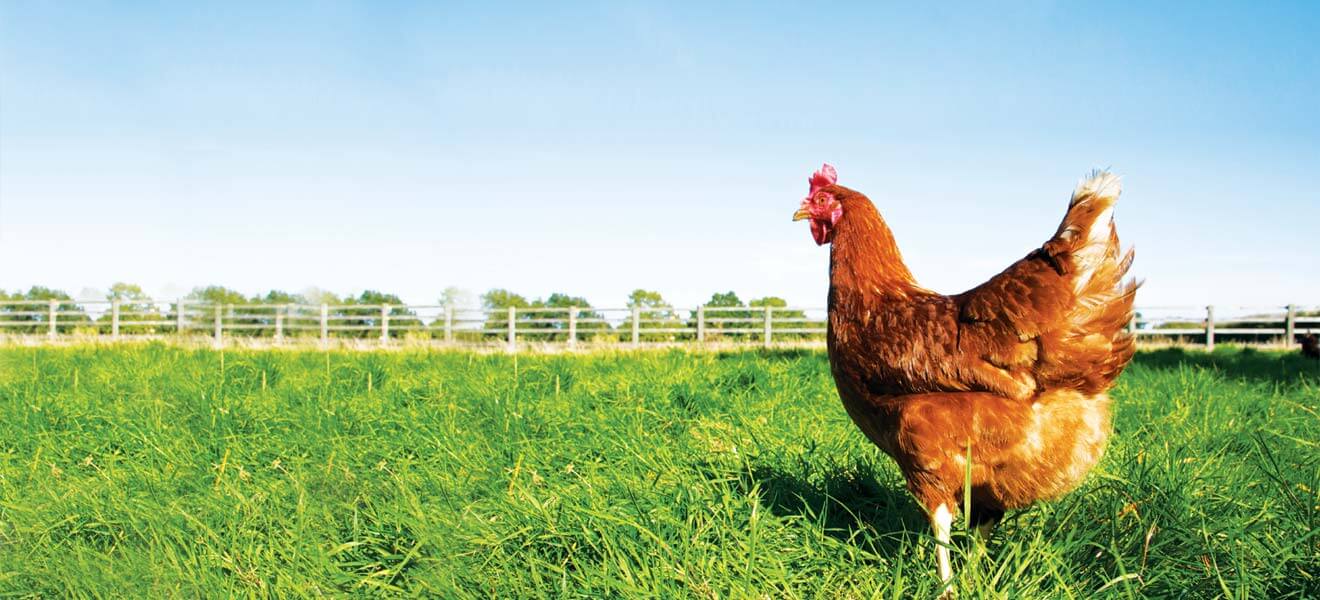
So what do we do on ¼ of an acre? Surprisingly enough we fit a lot into our small plot. We have 15 raised beds in the backyard and 4 in the front. Fruit trees, herb garden, blueberry bushes, raspberry bushes, grapes, meat rabbits, a feisty orange tabby and a happy-go-lucky German Shepherd.
The hardest part about homesteading on such a small plot of land is the lack of space and the fact that our neighbors may or may not approve of our animal hoardage. Ok not hoarding but we have a lot of animals for our cul-de-sac. The biggest struggle about homesteading on ¼ an acre? It is having to get creative which can be exhausting. I grow veggies in the front yard. My steps are lined with pots of tomatoes. There isn’t a patch of dirt that goes without something edible growing in it. I struggle with the sun in my yard and the lack of chickens.
However with struggles, come victories like meat rabbits, a growing garden and healthy soil.
Susan from Learning and Yearning, 1/4th acre
Before we married, all Mike and I ever talked about was homesteading. Our life took a lot of twists and turns and we never really homesteaded in the way we imagined. Over the years, we’ve lived at times without running water, with wood as our only source of heat and cooking, and have raised a few chickens. But for the most part, we’ve been city dwellers. Gardening has been the one constant and has been my passion.
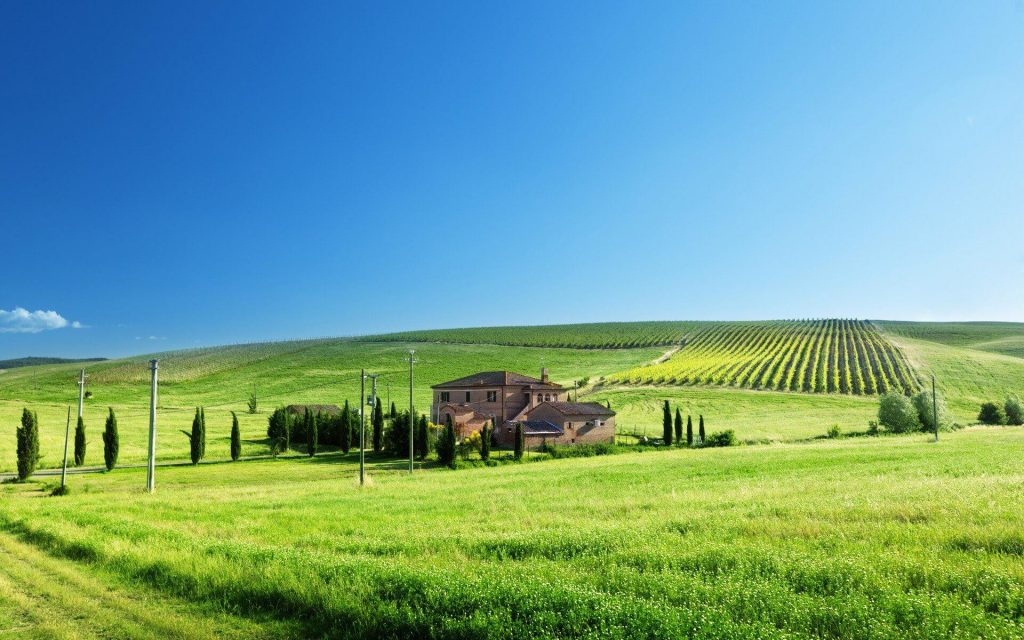
I’ve been hanging out with some amazing homesteaders online lately and reading about their lives has, at times, given me twinges of sadness for dreams not realized, but as a Christian I believe in the sovereignty of God, and have often taken comfort in the Scripture in Acts that says that God determines the times and places of our lives. We live in a small town now on a quarter acre of land. We’re not allowed to have animals here and I often ask myself if I would, if I could.
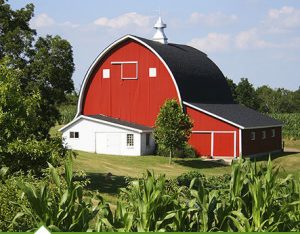 We own a wonderful, tiny little cottage on a pristine lake an hour from here and spend a lot of time there, especially in the summer. Who would take care of animals when we’re away so much? We are close to farms where we are able to get grass-fed beef and raw milk, pastured chickens, eggs and pork. We love being able to support these salt-of-the-earth-people. If we raised our own animals, we wouldn’t be supporting these farmers. What we do on this quarter acre is garden. We have apple trees and raspberry bushes, and grow veggies to our hearts content. We’re expanding our garden this year, so all that will be left of lawn is a small, shady area for picnicking and a place for grandkids to play. Are we urban homesteaders? I don’t know. We’re content and I guess that’s all that matters.
Read about part 3 here.
The post 5 Urban Homesteaders Share Homestead Stories – Part 2 appeared first on Blue Yurt Farms.
]]>The post 5 Urban Homesteaders Share Homestead Stories – Part 1 appeared first on Blue Yurt Farms.
]]>
Melissa from Ever Growing Farm, 1/8th acre
Upon introduction, most people don’t know what to think about the fact that we have created a 1/8 acre urban farm right in the middle of the city. They ask about zoning codes and express concerns about angry neighbors. More often than not, once we chat them up a bit, their response is either,
“I want to do that!” or, “That’s cool, but I could never…”
The truth is, urban farming is hard. It starts off with lots of planning, both for your urban garden and for the care and keeping of your backyard chickens, and quickly evolves to include the transport of heavy, nutrient rich soil to fill your newly built beds, the purchase of seeds and chicks, plus more aches, pains, frustrations and hours spent in the hot sun than you might have ever imagined. This is all before you even get to the mice in the compost, broody chickens, and horn worms.
However, with all of these challenges comes strength (of body and character), inspiration and the most delicious eggs you will ever taste. Urban farmers get to transform their own tiny spot on the planet in real, tangible ways that leave their neighbors asking for more eggs and placing empty egg cartons on your doorstep while you’re out running errands. Then, there’s the fresh off the vine tomatoes, learning how to preserve the food you worked so hard to grow and the extracts and tinctures you begin experimenting with. No matter the size of your tiny urban farm, you will be tired at the end of the day, without a doubt, but it is the best kind of tired you will probably ever feel. It’s pretty fantastic.
Don’t get me wrong, we often dream of what we call Our Eventual Farm. You know, rolling hills, a pond, chickens, goats and bees, more land than we need to grow all of our fruits and veggies, no lights or sirens to ruin the quiet.
For now though, we’re grateful for all we’ve been able to build right here, right now and are greatly enjoying the space we’re in!
Kris from Attainable Sustainable, 1/3rd acre
My family is lucky enough to live on a third of an acre that has some established fruit trees. We enjoy an overabundance of avocados a couple of times a year, plus bananas, oranges, liliko‘i and papaya in irregular bursts.
We also have a neighbor who insists that we help ourselves to his prolific, terrific tangerines when they’re in season. Our dreams of a thriving vegetable garden, on the other hand, are less fruitful. Our lot is steep and faces east, so while we have gorgeous sunrises, actual sunshine is at a premium. One of our first steps when we moved in was to cut and fill in the front yard to create a small level area for growing vegetables. Then I had the bright idea to make the driveway part of my garden since it was hogging all of the sunshine. In those two spaces, I manage to keep enough produce growing for fresh salads and such, but not nearly enough to do the canning and preserving that I did before we moved here.
We do have half a dozen laying hens who keep us in eggs most of the time. I certainly can’t complain, but I’m definitely not able to grow enough food to sustain my family of four here without doing some major earth moving. We’re keeping our eyes open for a perfect piece of land to implement our permaculture plans, but meanwhile I have to trust the farmers market for tomatoes to make salsa and chutney for the pantry, and I’m learning to grow things that are better suited to this awkward space. I’ve got sweet potatoes growing on a slope, I’ve tucked lemongrass in areas prone to erosion, and I’m learning to consider nasturtiums a food source rather than an ornamental.
Read about part 2 here.
The post 5 Urban Homesteaders Share Homestead Stories – Part 1 appeared first on Blue Yurt Farms.
]]>